
Electricity storage and self-generation for environmental sustainability
A corporate electric fleet
A company that chooses to have an all-electric fleet certainly deserves to be rewarded; its environmental sustainability value is seen as an important priority for the workforce. In fact, according to research by Cone Communications, 83% of millennial employees would be more loyal to a company that contributes to solving environmental problems.
Consumers also prefer companies that are ethically and environmentally sustainable, so it is essential for companies to reduce their carbon footprint. One of the easiest ways to achieve this type of sustainability engineering is to replace polluting vehicles with zero-emission vehicles.
Energy management
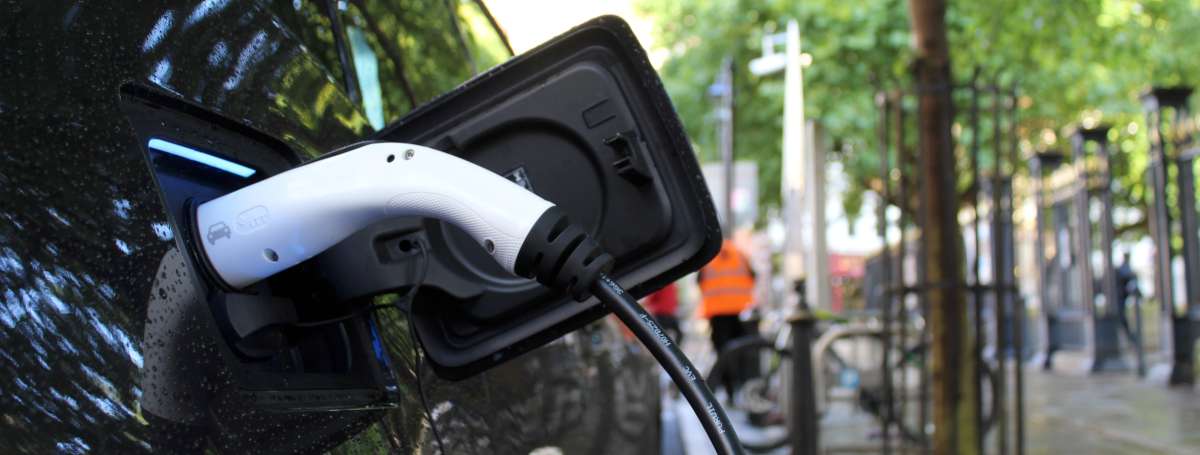
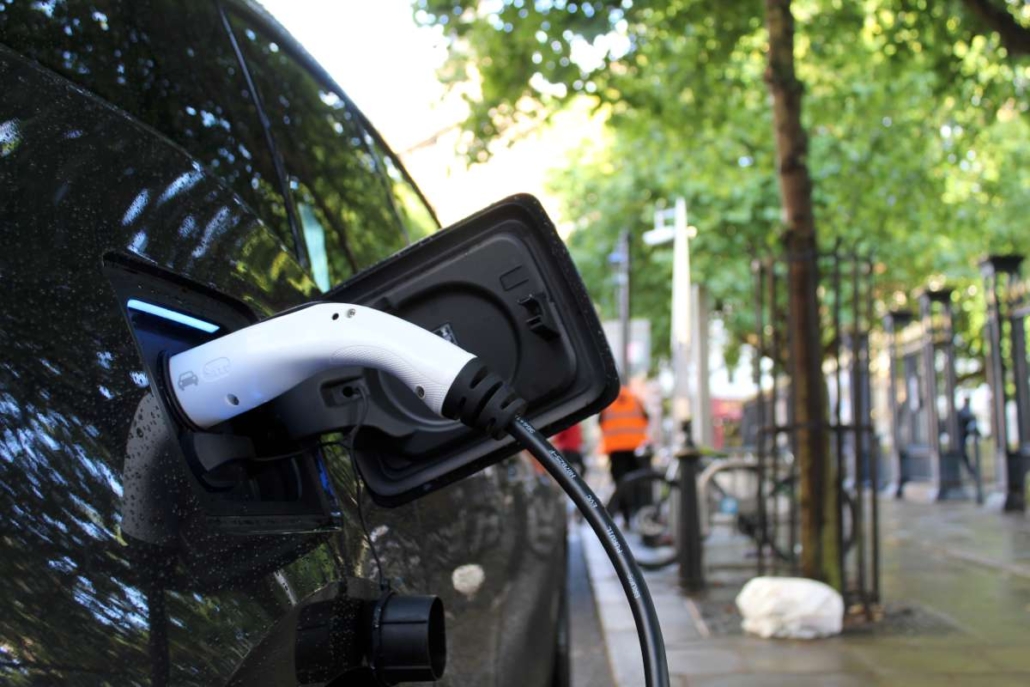
Companies that provide charging stations at workplaces (for employees and customers), in addition to those that convert their fleet of vehicles, will have to consider that the transition to electric power will have an impact on the amount of energy required and its management.
They will need to monitor energy use, production and storage. This can be achieved in three ways:
- Upgrading the energy supply, with an enhanced connection to the grid;
- Installing power generation solutions that reduce dependence on the electricity grid, increasing resilience and flexibility, reducing costs and, in the case of a photovoltaic system with storage facilities, generating 100% green energy;
- Employing energy accumulators to ensure a constant supply of energy.
Vehicle-to-Grid
Vehicle-to-Grid is a way of providing incentives for electric vehicle owners and fleet operators to recharge their cars during low-demand hours so that they can sell the excess energy they have stored later, when demand is higher.
This technology enables electricity grids to cope with the incremental load that may result from charging many electric vehicles. Vehicles equipped with this technology will be able to act as storage units for renewable energy.
The batteries, when connected to the grid, will thus be used for power storage when needed. In this way, an electric vehicle will be able to feed previously stored energy back into the grid when solar or wind power cannot be generated, for example in the evening hours or when there is no wind.