
What is the STEMI Report?
In April 2022, Italy’s Ministry of Infrastructure and Sustainable Mobility (MIMS) presented the first report on the decarbonisation of transport. It was compiled by STEMI, Structure for the Ecological Transition of Mobility and Infrastructure, formed towards the end of 2021 to develop policy for ecological transformation in the areas of mobility and infrastructure.
STEMI published a dossier that identifies the scenarios and outlines the actions to be taken to initiate transport decarbonisation. In Italy, the transport sector produces 25.2% of greenhouse gas emissions and 30.7% of CO2 emissions. On top of this, there are the emissions from the international aviation and maritime sectors.
The Report is subdivided into sections dedicated to the various types of transport. It analyses the technology currently available, and the infrastructures necessary for decarbonisation, considering their respective efficiency, costs, potential for emission reduction, and industrial scalability for Italy.
How to decarbonise heavy-duty transport
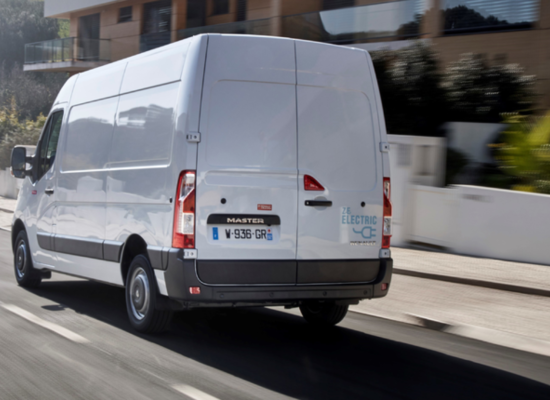
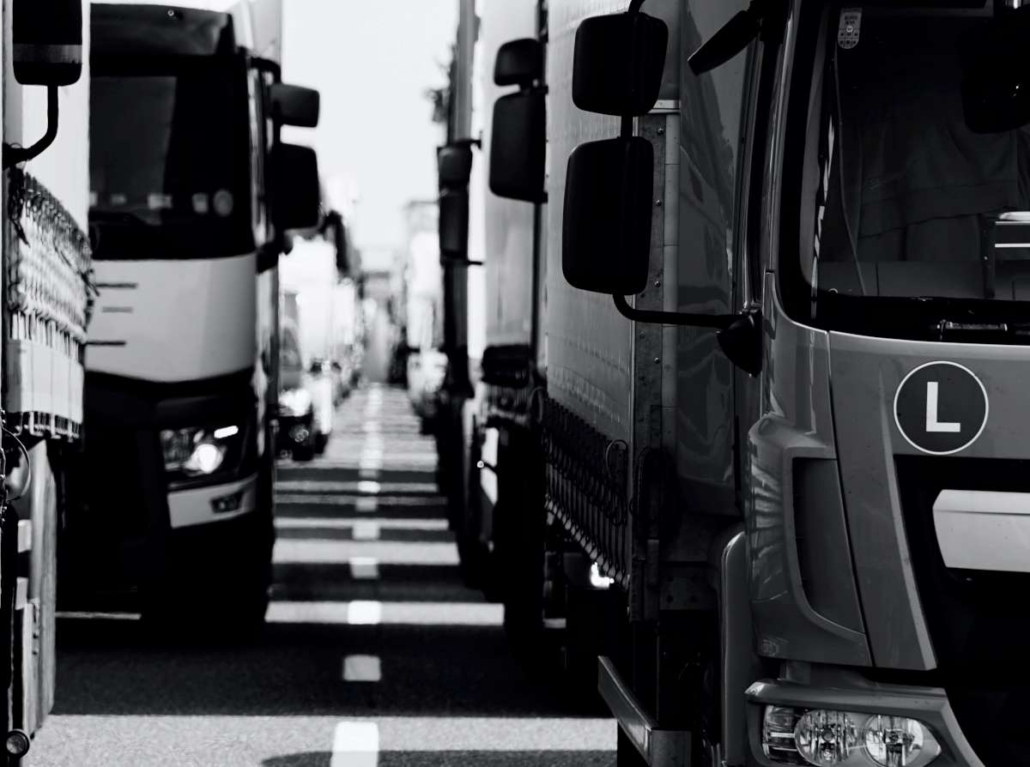
In this sector, there are three alternatives that can replace traditional internal combustion engine (ICE)-powered vehicles: battery-powered electric vehicles, electric vehicles powered by aerial cables installed along motorways, and vehicles powered by green hydrogen. For example, according to the Report, an electric truck can offer savings of up to 70% on total emissions, considering its entire life cycle.
The environmental impact of electric trucks
It is legitimate to ask why an electric truck does not offer a 100% saving on emissions, considering that an electric motor does not produce CO2 or other pollutants. The answer to this question is that a vehicle’s environmental impact has to be calculated for its entire life cycle, starting from the extraction of raw materials, the truck’s useful life, the production of the electrical energy necessary for its use, right through to the operations of dismantling and recycling at the end of its life. For all these reasons, the environmental impact of an electric vehicle should not be underestimated, even though it is lower than that of a vehicle powered by an internal combustion engine.
Today, an electric truck operating in the European Union can offer a 38% reduction in carbon emissions, considering its entire lifecycle. If member states move to green electricity, this percentage could reach an 86% reduction in carbon emissions.
The railway and maritime sectors
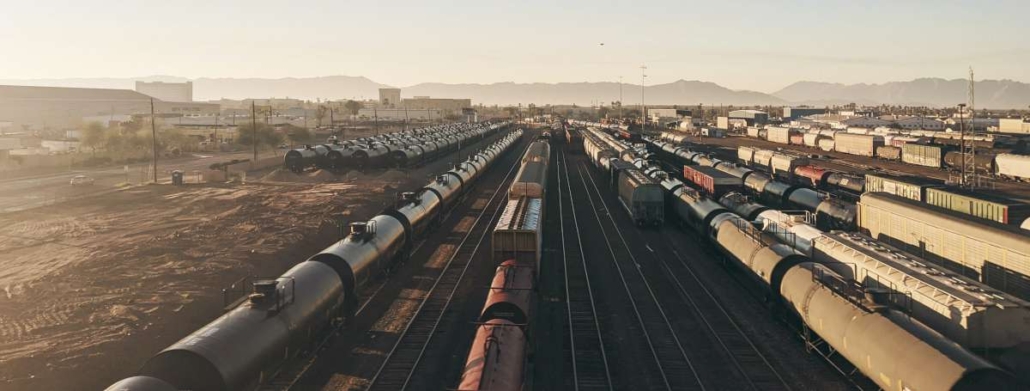
In the rail transport sector, the emissions produced during the construction of railway infrastructure should also be considered. In fact, the assessment of total CO2 savings has to consider this, in relation to the number of passengers using the infrastructure. In places where electrical transformation is not possible, the Report considers replacing the locomotives currently used with others powered by battery, hybrid power, or in some cases, green hydrogen.
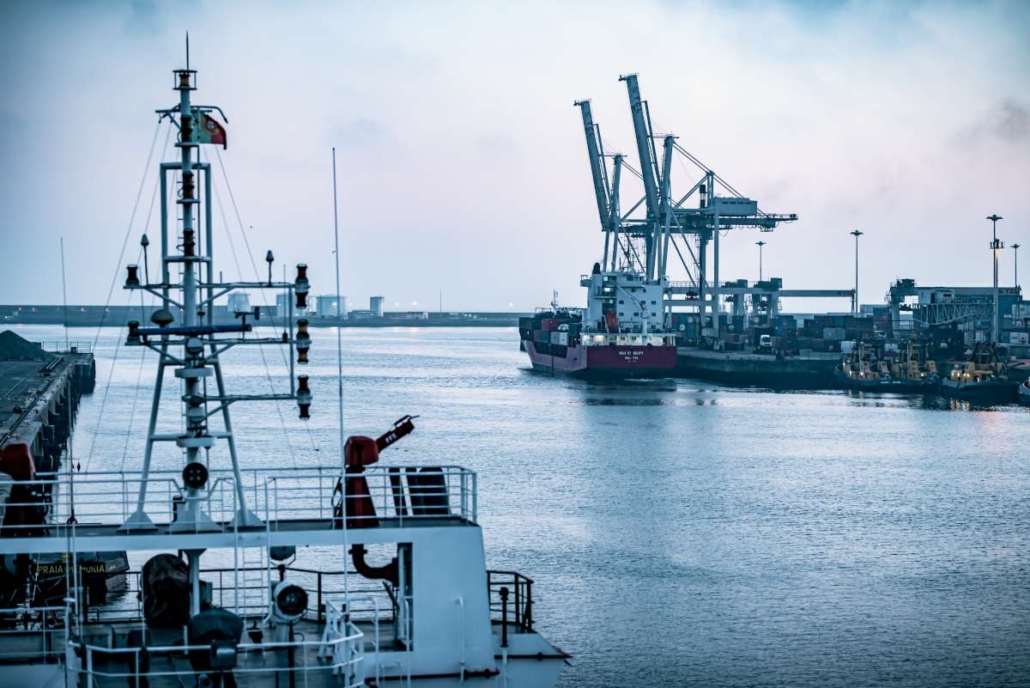
In the maritime sector, for short distances, electrification has already been tried at an international level, using battery-powered ferries. Over longer distances, the systems considered include methanol and synthetic hydrocarbons, biofuels, hydrogen and ammonia. These are alternative fuels still at an experimental stage, and so it is important to invest in research and development to accelerate their adoption. In addition, the electrification of harbour infrastructure plays an important role in reducing pollutant emissions. In fact, about 11% of global greenhouse gas emissions in the maritime transport sector are generated by ships that are at anchor or moored in harbour.